The falls that named the community
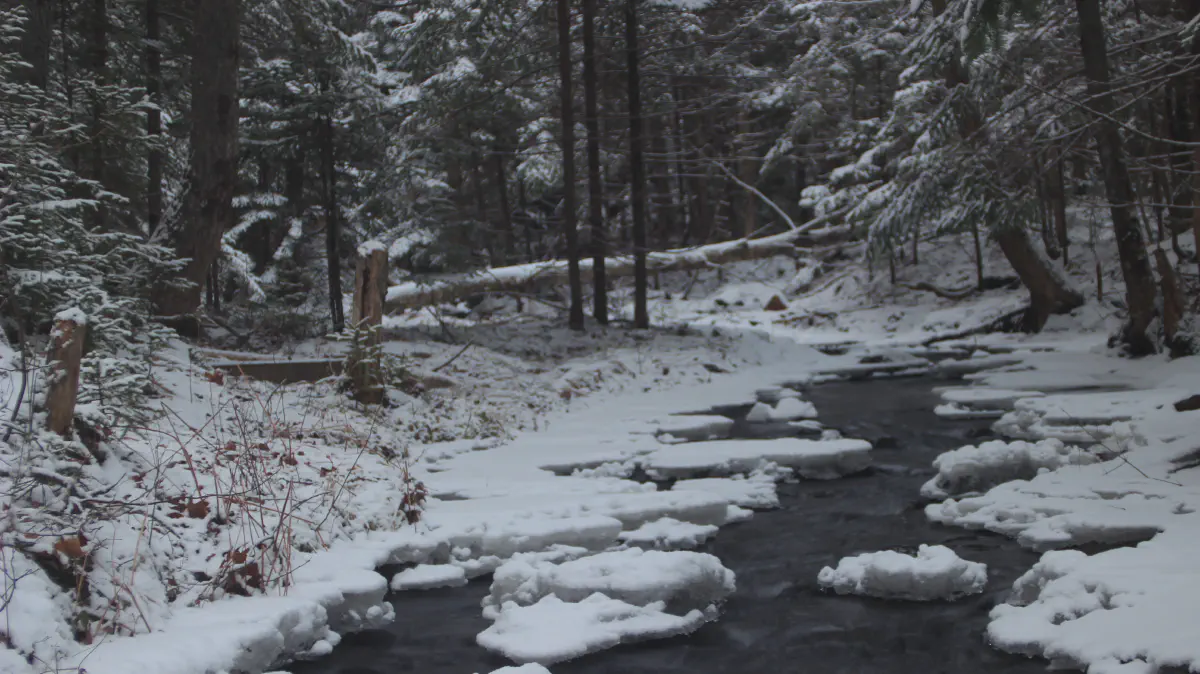
Fall River takes its name from a stream between Miller Lake and Lake Thomas. The stream once fell through a waterfall, and that falling water powered the first industries in the area.
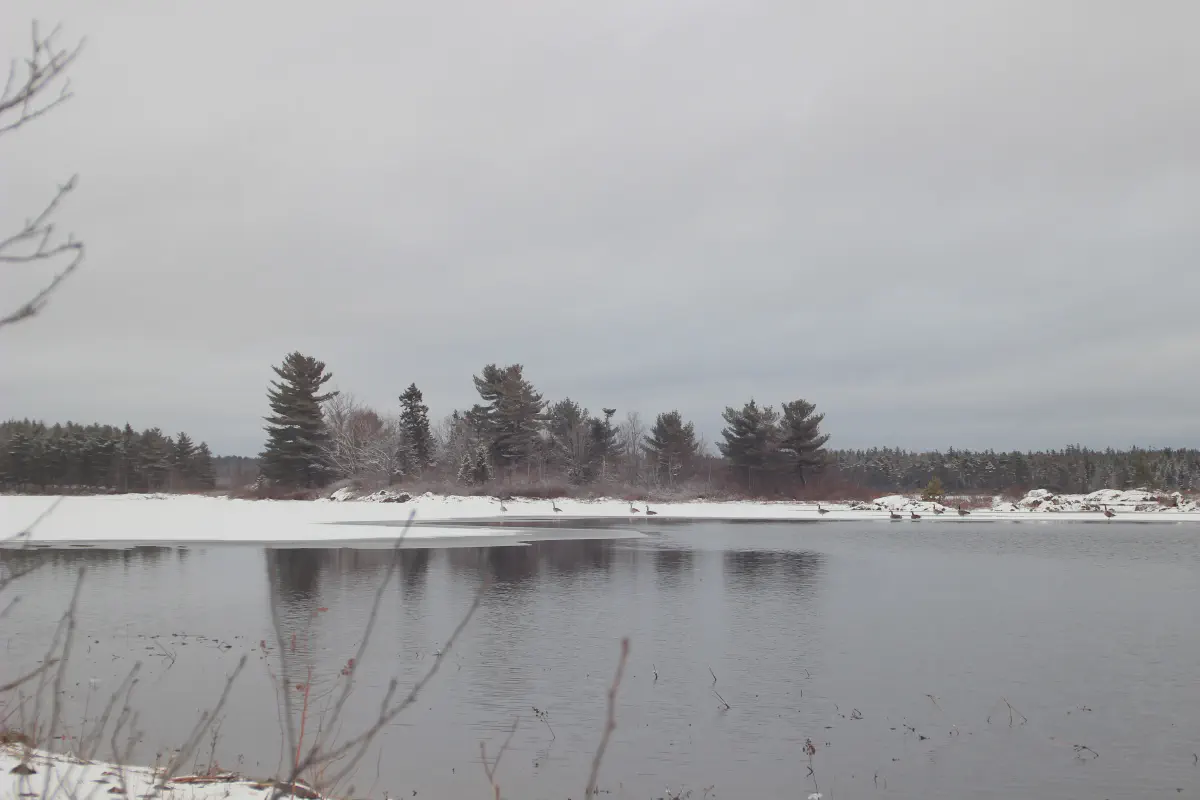
The Mi’kmaq and their predecessors knew these waterways long before European settlement. The lakes were part of a portage route connecting with the Shubenacadie Valley. Water was the road.
Mills on the water
European settlement began in the late 18th century. Some of the earliest settlers were German, including the Muller family. The name became Miller, and Miller Lake carries it.
In 1828, Philip and John Miller cleared land east of Lake Thomas and built a dam to power a sawmill. It was the first in the area. Charles P. Allen later operated a water-powered furniture mill at the falls. The water did the heavy work.
Other pieces of village life followed: an inn kept by George Taylor, a stagecoach way station run by Robert Fletcher, Rutherfords Inn at the north end of Miller Lake, a store, a post office, and a blacksmith.
The canal years
The Shubenacadie Canal was the big infrastructure project of the 1850s. It linked Halifax Harbour to the Minas Basin by way of a chain of lakes and locks. Fall River sat on the route.
The canal carried barges and goods, but it did not last as a commercial waterway. Railways and roads took over. What remains is the route itself and the cut stones of the old locks where Lake Thomas meets Fletcher Lake.
The 20th century
Fall River stayed small through the early 1900s. There was an ice company on Lake Thomas, a telephone installed in 1900, and small gold diggings east of Miller Lake. Boy Scouts built a summer camp on Lone Cloud Island in Miller Lake in 1926; it is still in use.
The waterfall disappeared in the late 1950s during construction of the Bicentennial Highway, now Highway 102. Water from Miller Lake is now carried through a tunnel to generate hydro-electric power. The falls are gone, but the name stayed.
Mid-century village life
By the middle of the 20th century, Fall River was still a small village with a general store, a school, and a network of neighbours. Neil Miller’s store operated from 1952 to 1987. Stuart Industries, founded in 1954, employed about 100 people at its peak before closing around 1982.
The highway changed the scale of the community. The waterfall was removed, the road was widened, and the trip to Halifax became easier. Fall River shifted from a stop on the way to a place people chose to live.
A modern community
Fall River amalgamated with Halifax on April 1, 1996. Since then it has grown into a residential hub, with schools, retail, and recreation serving the surrounding area.
The old road, the lakes, and the canal route are still the best way to read the community. A walk at the old locks is a walk through the reason the village exists.
What to see today
- The old canal locks where Lake Thomas meets Fletcher Lake.
- The lakes that carried the canal route.
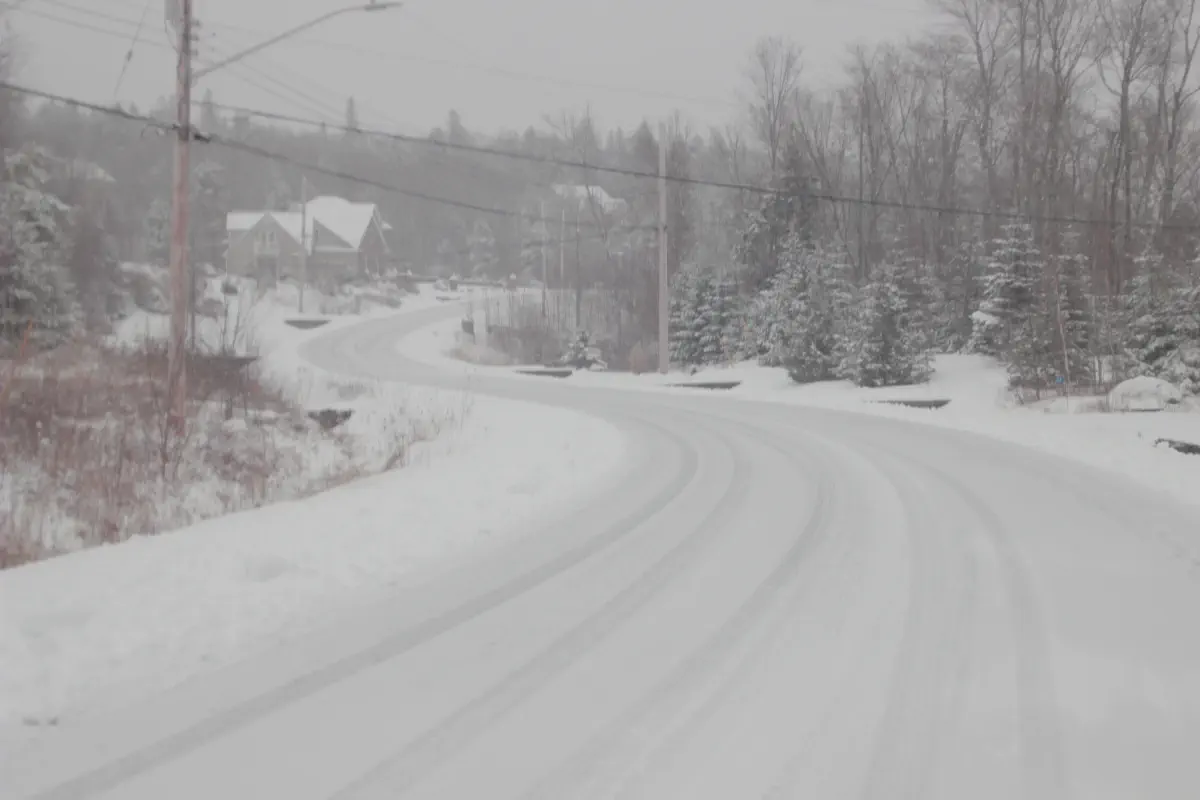
- The village roads that follow the old Halifax–Truro road.
- The community centre and schools that anchor modern life.
For a practical outdoor guide, see things to do in Fall River .
The old road
Before the highways, the road was the connection. Portions of Trunk 2, Fall River Road, and Blue Hill Road were part of the Great Road between Halifax and Truro. Travellers needed places to stop, and Fall River had them: The Lakeside Inn, Robert Fletcher’s way station, and Rutherfords Inn at the north end of Miller Lake.
That road traffic shaped the village as much as the water did. The inns served miners from Waverley, militia parties from Dartmouth, and people moving between Halifax and the Cobequid. Fall River was a stop on the way to somewhere else, and the community grew around that role.
What was lost, what remains
The waterfall is gone, but the water is still doing work. A tunnel carries water from Miller Lake to a hydro-electric station, producing power for the grid during peak periods. The old mill sites are not a museum; they are part of the everyday landscape.
The names remain. Miller Lake, Lake Thomas, Fletcher Lake, and the old canal locks keep the history visible if you know where to look. The community’s identity is still tied to the water, even when the falls themselves are out of sight.
Keep exploring
The Shubenacadie Canal story follows the waterway through the community. The lakes and parks guide shows where the old route meets public access today. For the wider community profile, see about Fall River .